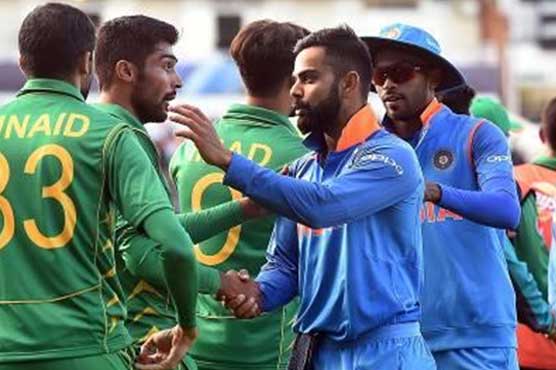
Summary Here we look at the five reasons why India managed to triumph so easily once again.
“The mother of all clashes” as it was once dubbed by die-hard cricket fans from all over the globe has been a one-sided affair for as long as one can clearly remember. The encounter between arch rivals Pakistan and India on Sunday, in the Champions Trophy was no different. India outplayed Pakistan in every department as they comfortably crossed the line, winning by a margin of 124 runs.
Here we look at the five reasons why India managed to triumph so easily once again forcing Pakistan to play the way they did.
Toss
Pakistan’s misery started as soon as the match referee flipped the coin in the air and the inexperienced Pakistani captain opted to bowl first in the hope of bagging early wickets. Now anyone with a keen interest in cricket and a good eye would know how mediocre a decision it was to opt to bowl first against a mighty batting unit.

It seemed as if the Pakistani think-tank had not taken the conditions into account. Bowling first on a flat wicket with chances of rain later in the day was indeed a bad decision considering especially the role of the D/L method to be implemented sooner rather than later. Even Virat Kohli, the Indian captain was surprised with Sarfraz’s decision and happily accepted his team being put to bat first.
Wahab Riaz’s Selection
What makes a match-winning unit is a combination of discipline, performance and balance. At Edgbaston, however, Pakistan lacked in all three. Even before a ball was bowled, Pakistan lost the plot when they opted for a half-fit Wahab Riaz over a hungry Junaid Khan.
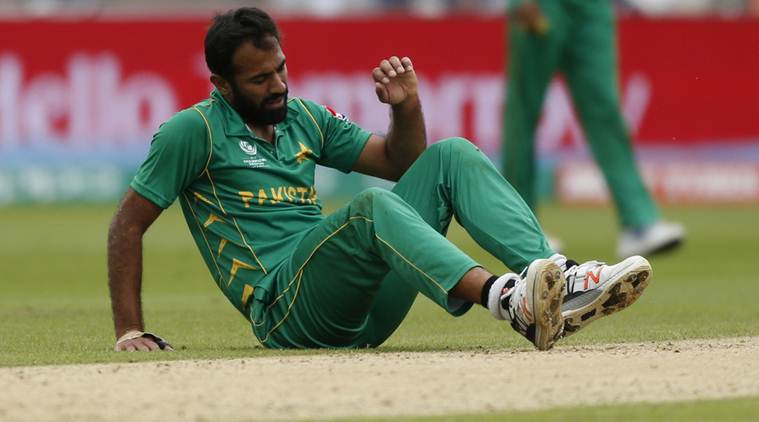
Junaid Khan, even though not in the best of forms, had played much better in the only warm-up game against Bangladesh, picking up four wickets for compared to Wahab Riaz who had bagged no scalps. Not picking up Junaid was a question mark simply because of his impressive performances against India in the past.
Indecisive Captaincy
What followed next was even more absurd. Sarfraz Ahmad decided to bowl first keeping in mind the overcast conditions but handing over the bowl to spinner Imad Wasim in the very second over was questionable to say the least. Against batsmen who play spinners exceptionally well, pace from both ends would have been a much better option. Sarfraz might have used Imad to take a wicket, but his defensive line and the absence of catching fielders didn t make that look like it was entirely his plan.
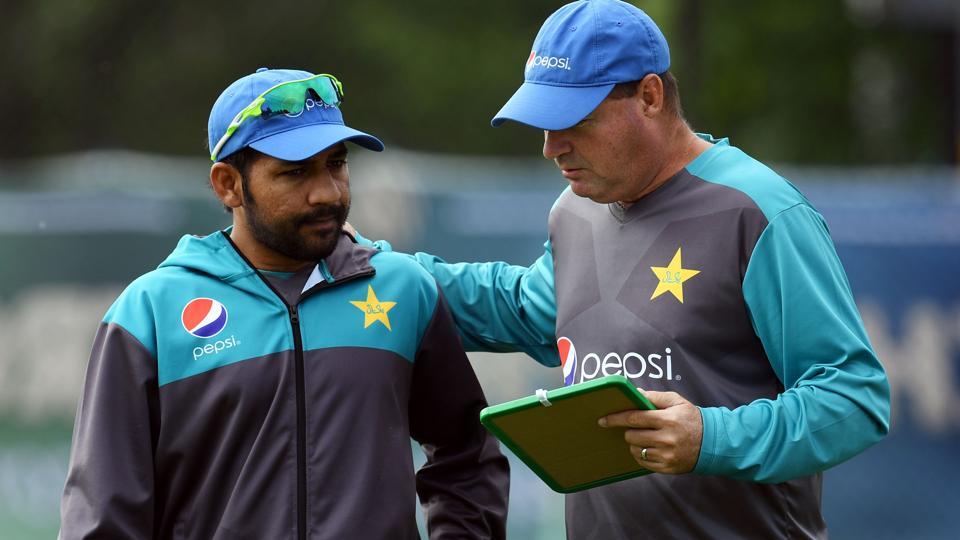
The Pakistani management must have known that India have changed their approach in the limited overs format for quite some time now. Keeping in mind the conditions, the Indian openers usually go slow in the first ten overs, their main aim being to save wickets for destruction later on. Hence, attacking would have been the best option for the men in green, but the captain’s approach suggested otherwise.
Poor Fielding
One of the most common traits of Pakistan Cricket over the past few years has been the team’s consistently dismal performance in the field. Once again poor fielding played an integral role in what unfolded for Pakistan on Sunday. Overthrows, missed run-outs and dropped catches were the highlights of Pakistan’s lethargic display in the field. Dropping India’s most consistent and dangerous batsmen, Virat Kohli and Yuvraj Singh proved to be the ultimate difference between the two sides as both the players managed to accelerate in the later stages of the match by contributing a mammoth 93 runs for just 58 deliveries.
Lack Of Mental Toughness
What separates the players from the champions and the boys from the men is the ability to play under immense pressure and take an important game as just any other. What Pakistan has been lacking for the past so many years is mental toughness; a trait that the Indians displayed with great flair.
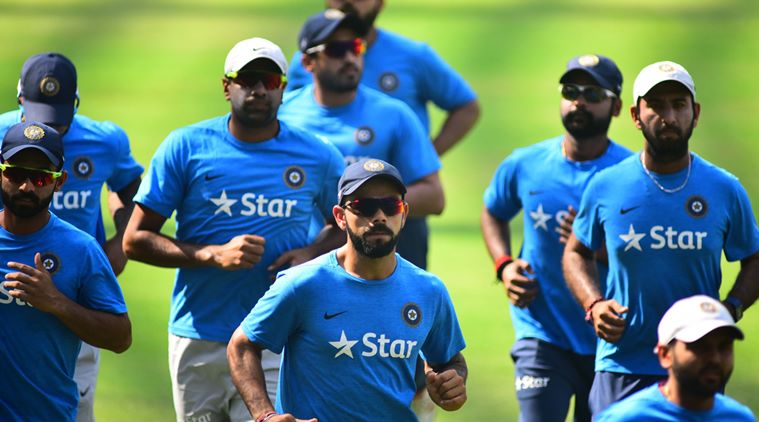
The Indian team led by Virat Kohli showed nerves of steel and hence managed to oust Pakistan; a unit wagging their tails, crying for help.